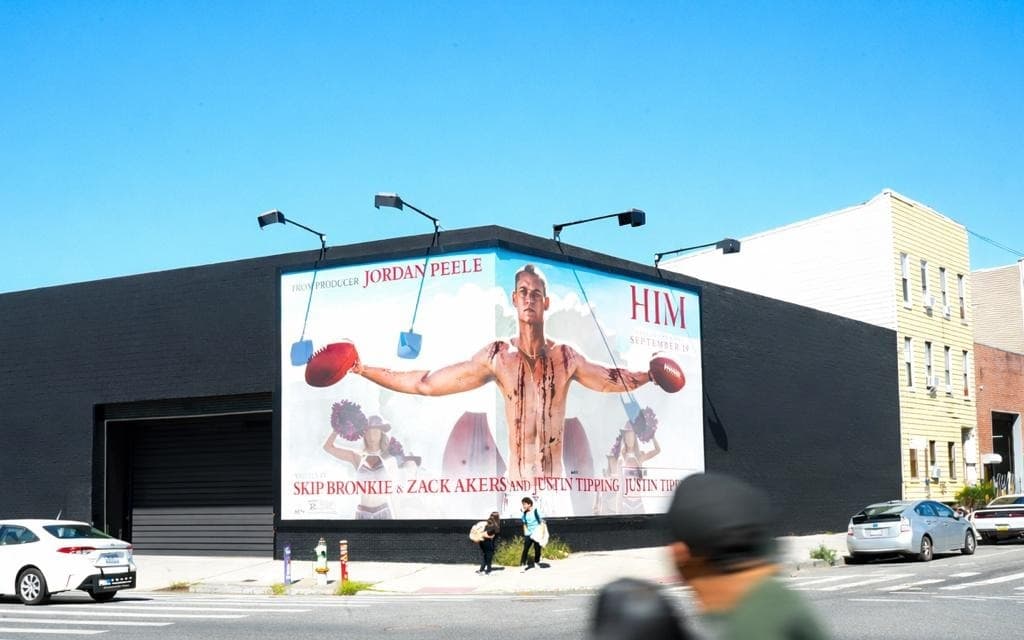
Eye-Level
Eye-Level Street Advertising
Posters, wallscapes, and urban displays placed directly in the path of pedestrians — in the most walkable, highest-density neighborhoods.
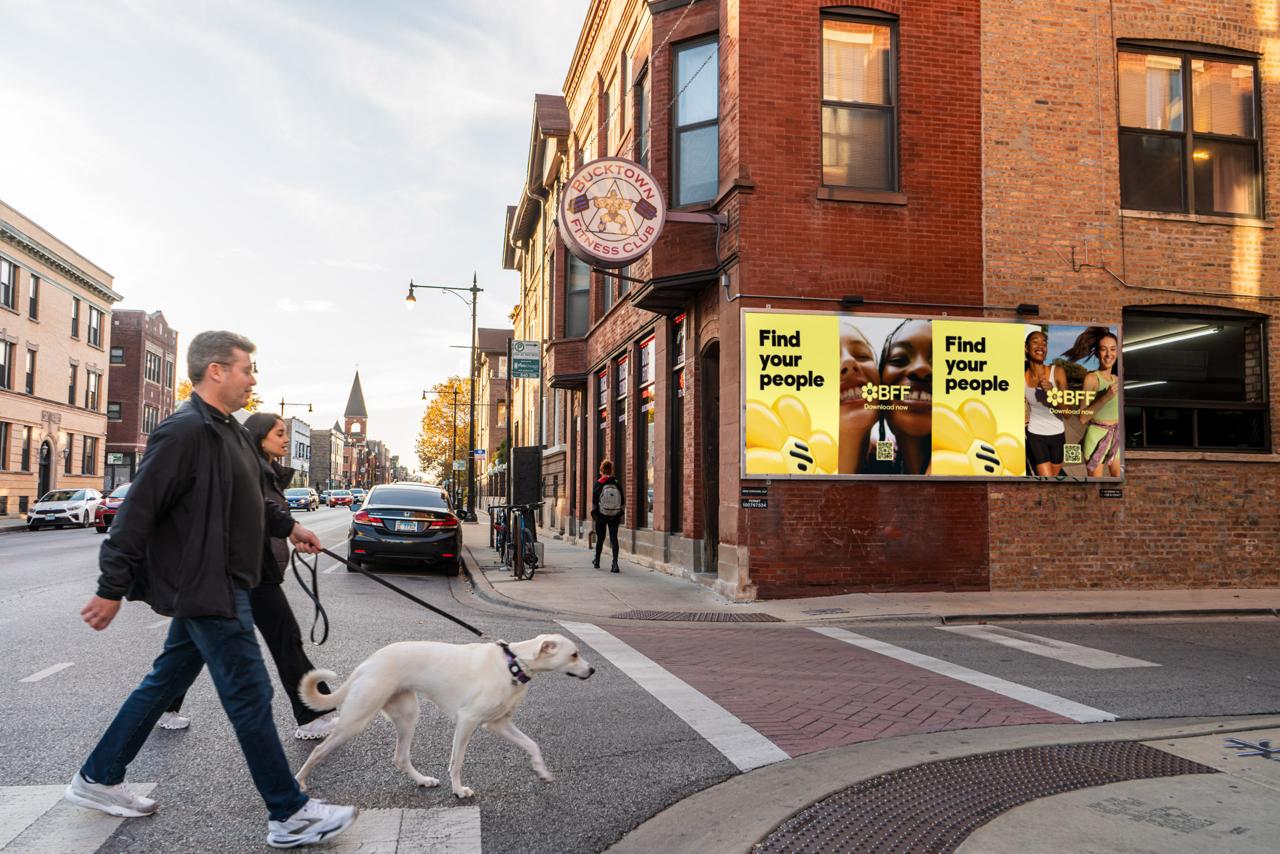
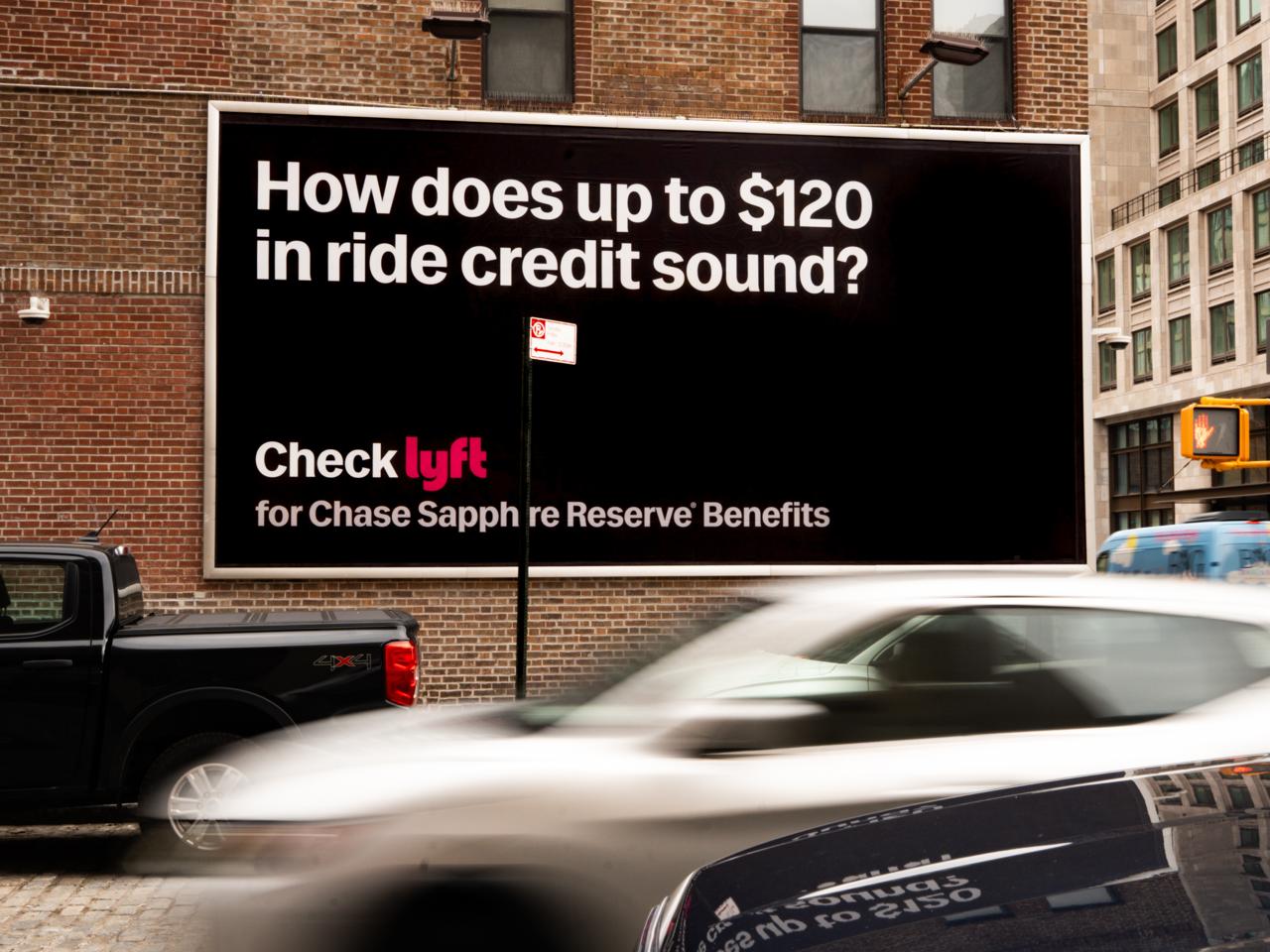
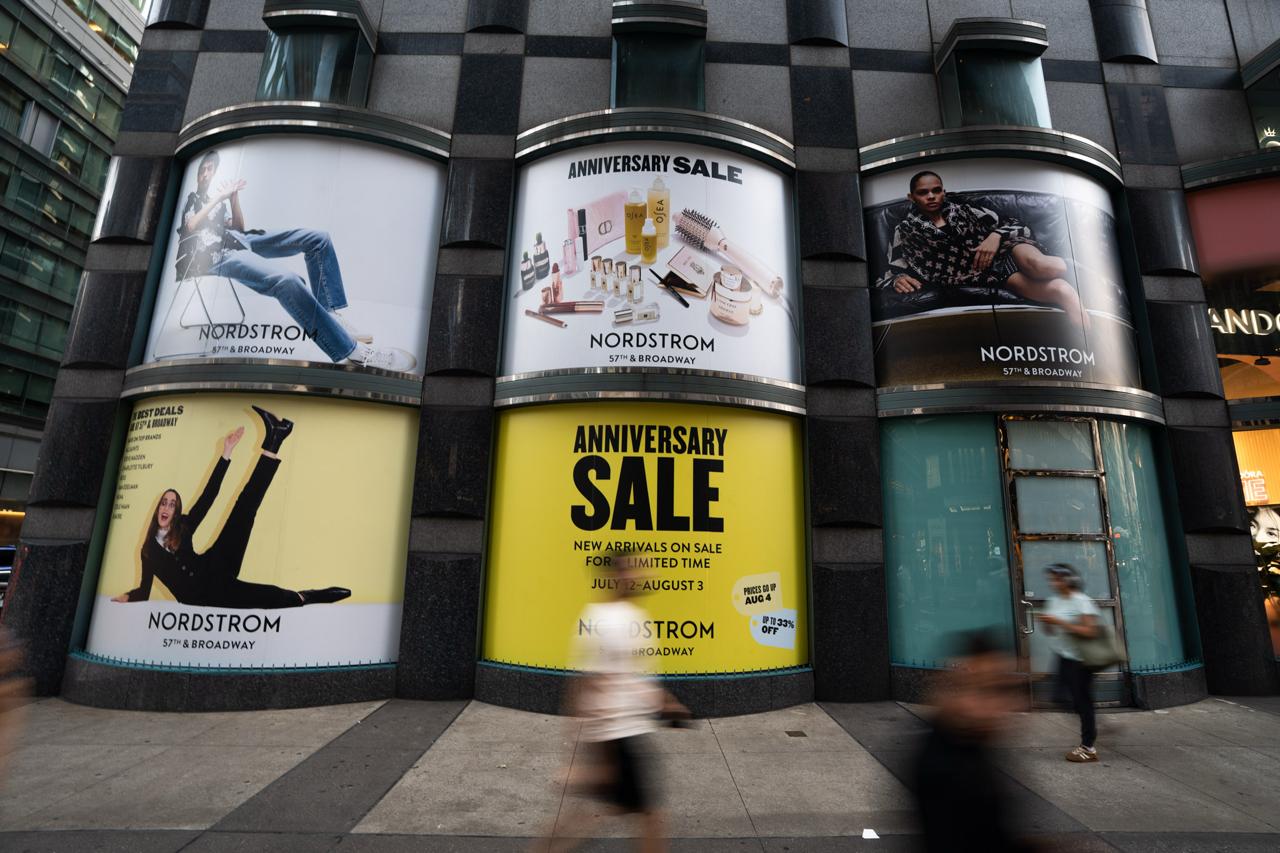
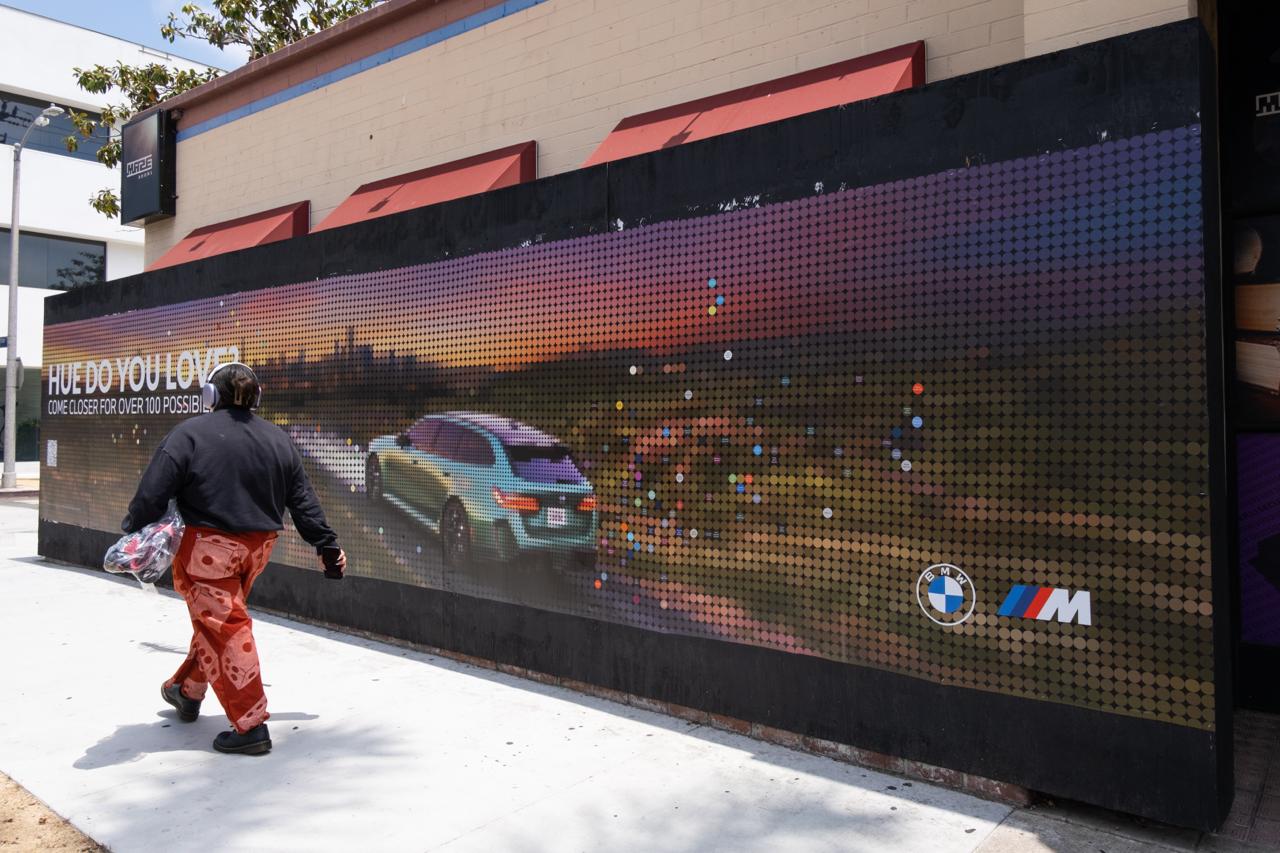
Eye-Level Advertising
How Eye-Level Advertising Works
Posters, wallscapes, and urban displays placed directly at pedestrian eye level in the most walkable, highest-density neighborhoods. Your brand, impossible to miss.
- ✓Pedestrian-level placements in high-footfall zones
- ✓Wallscapes, posters, and urban panels
- ✓Premium neighborhoods in every major market
- ✓Intimate scale that connects with your audience
AT THEIR LEVEL. IN THEIR NEIGHBORHOOD. EVERY DAY.
What Is Eye-Level Advertising?
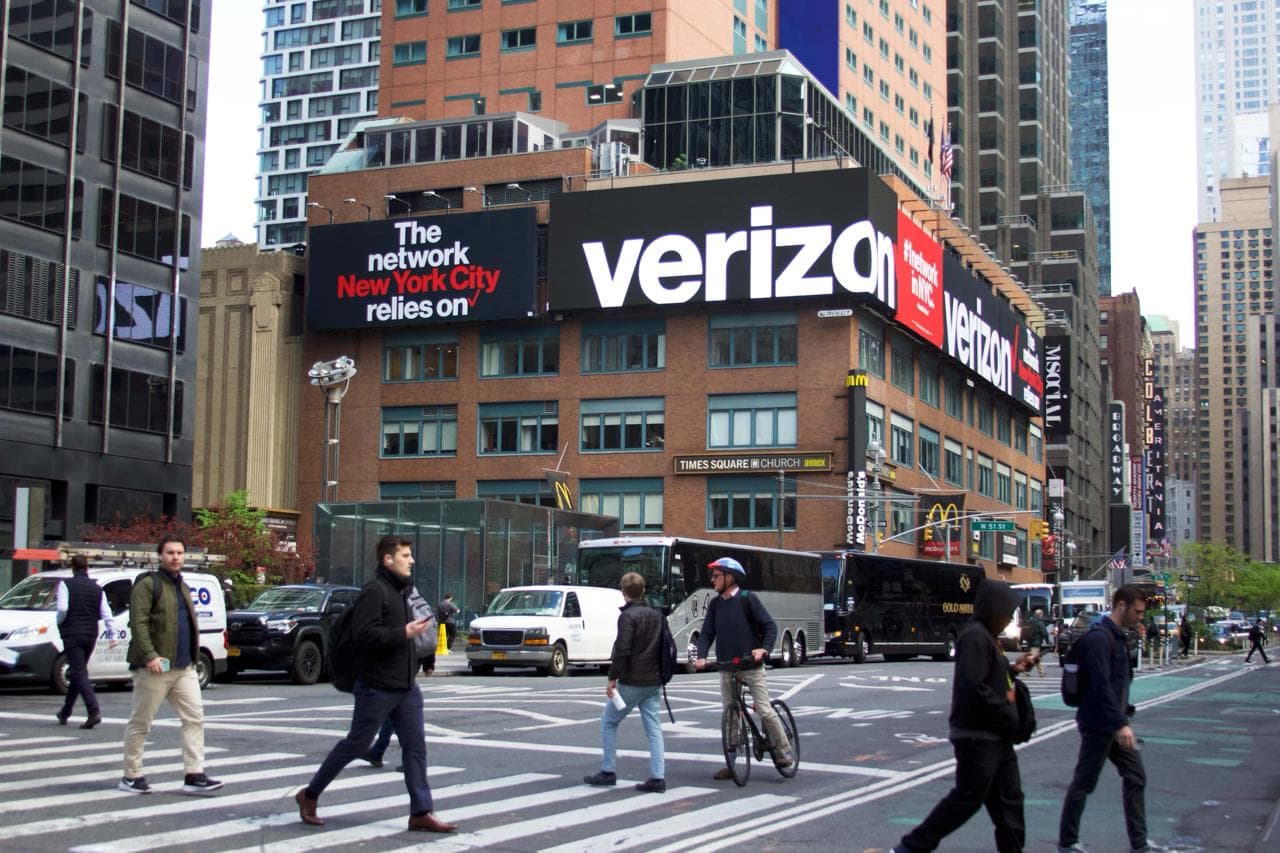
Eye-level advertising places your brand directly in the sightline of pedestrians — on walls, storefronts, construction barricades, and urban panels at street level. Unlike elevated billboards that compete for attention from a distance, eye-level formats create an intimate, unavoidable encounter with your message. Pedestrians walk past these placements every day in the densest, most walkable neighborhoods in every major city, making them ideal for building sustained brand awareness in hyper-targeted geographies.
This format is especially effective for brands that want to embed themselves in the cultural fabric of a specific neighborhood — reaching consumers during their daily routines rather than trying to interrupt them from above.
Typical Formats & Sizes
- ✓Wild postings and wheat-paste posters in clusters of 10 to 50+ sheets, typically 24" x 36" or 46" x 60"
- ✓Construction barricade wraps covering 50 to 500+ linear feet of sidewalk-level real estate
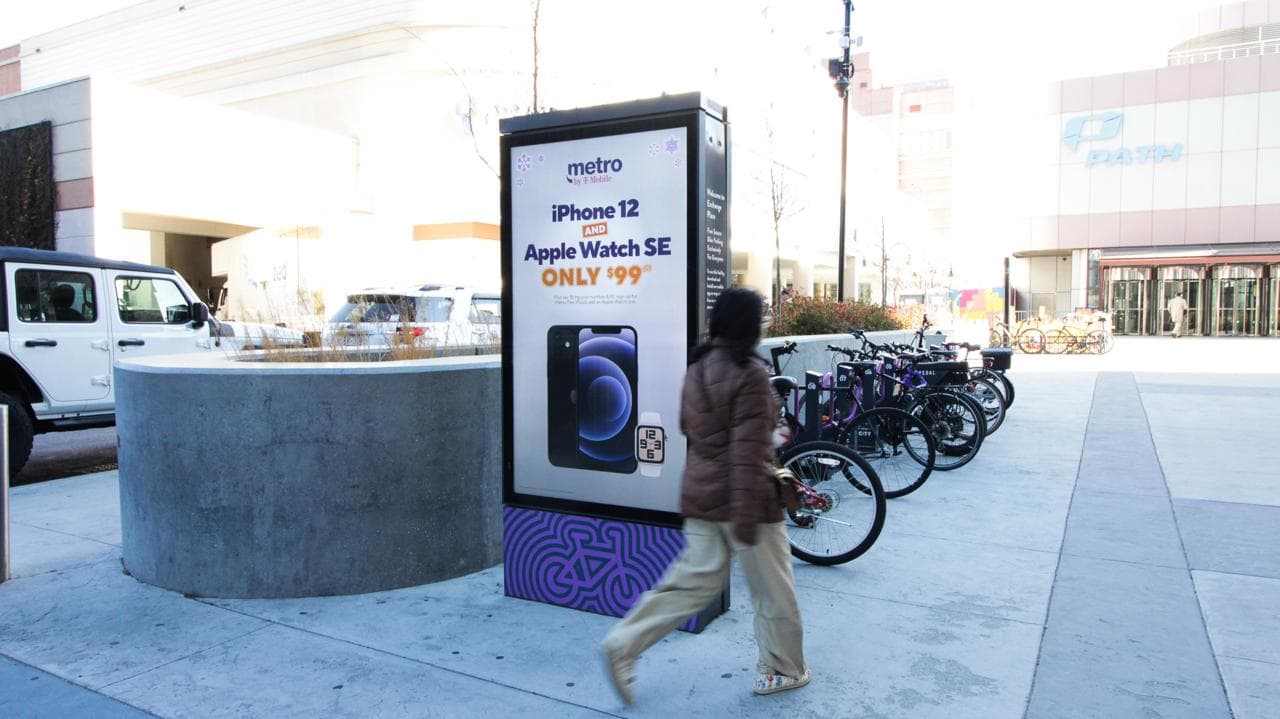
- ✓Urban panels and wall-mounted displays at pedestrian eye height, often 4' x 6' to 8' x 12'
- ✓Storefront and building-wrap placements on ground-floor facades in high-foot-traffic corridors
- ✓Campaign durations from two-week flights to long-term annual placements
Available Nationwide in 50+ Markets
Eye-level placements are available in the most walkable, highest-density neighborhoods in over 50 markets across the country. Target specific neighborhoods in New York, Los Angeles, Chicago, Miami, San Francisco, and every major metro — selecting corridors by foot traffic, demographics, and proximity to retail, entertainment, or cultural destinations.
Campaign Examples
A dating app blanketed three neighborhoods in Chicago with eye-level wild postings featuring locally relevant creative — custom messaging for each neighborhood. The hyper-local approach drove a measurable lift in app downloads within those zip codes during the four-week flight.
A luxury retailer wrapped a full block of construction barricades outside their upcoming store location with teaser creative six weeks before opening day. The street-level placement built anticipation among local residents and generated social media buzz that the brand leveraged in their digital launch campaign.